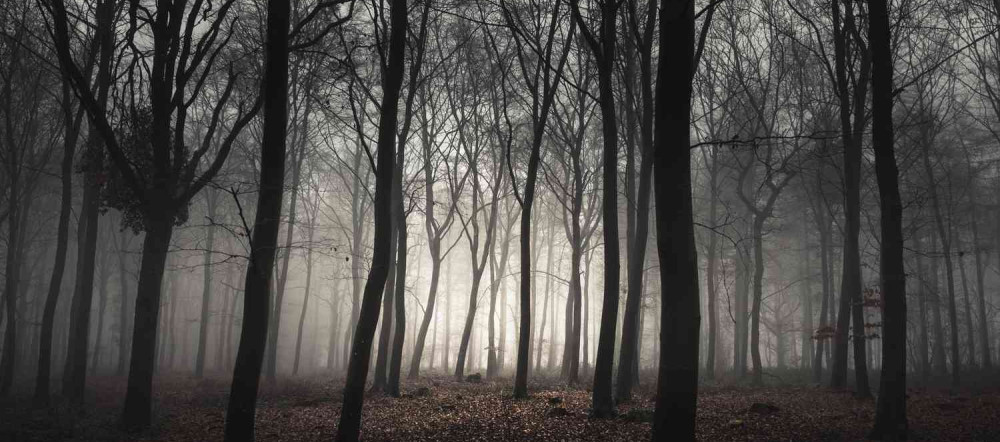
There is something about camping that makes even a normal night feel a little strange. During the day, the woods can be beautiful. You have birds singing, sunlight coming through the trees, and that nice feeling of getting away from everything for a while. But when the sun goes down, things change. Every little sound becomes easier to notice. A branch snaps somewhere in the distance. Something moves through the bushes. And suddenly, sleeping in a tent doesn’t seem like such a great idea.
That is probably why horror books about camping are so much fun to read. They take something many people enjoy and turn it into a nightmare. The characters are far from home, their phones might not work, and there is usually nobody around to help them if something goes wrong.
I have always thought that a good camping horror story doesn’t need a complicated monster or a huge amount of blood. Sometimes, the scariest thing is simply not knowing what is out there. Is that sound just an animal? Did somebody walk past the tent? And why does it feel like something has been watching the campsite for the last hour?
If you enjoy stories about creepy forests, isolated campsites, and people who make the mistake of going too far into the wilderness, here are some horror books worth checking out.
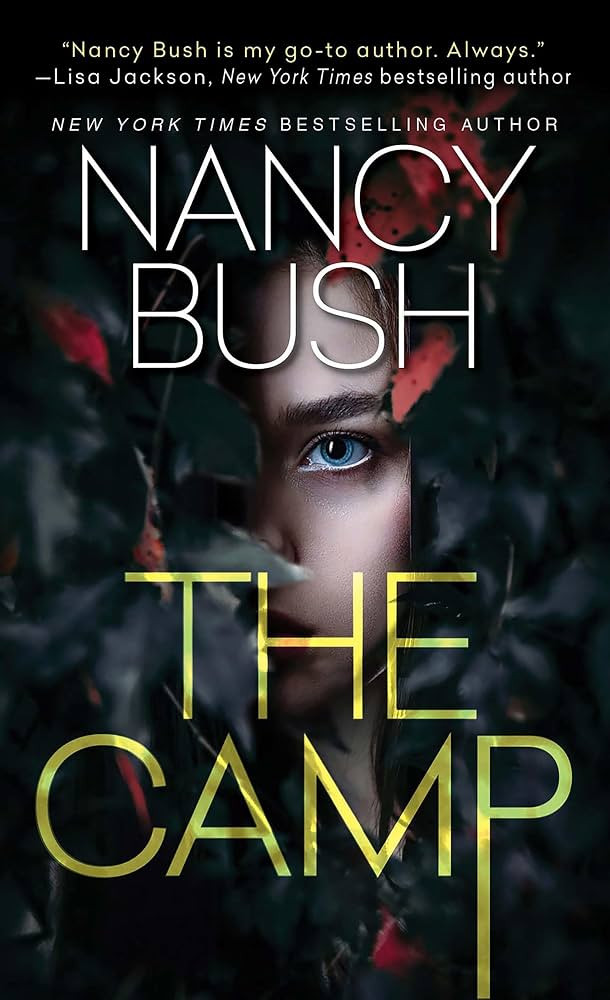
1. The Camp by Nancy Bush
If you enjoy horror stories about summer camps, creepy forests, and secrets from the past, The Camp by Nancy Bush is worth checking out.
The story takes place at Camp Luft-Shawk in Oregon, a summer camp with a disturbing history. Twenty years earlier, a teenage girl was found dead near the lake, and rumors about her death continued long after the incident. Some people connected the tragedy to a possible suicide pact and a nearby commune called Haven.
Three girls, Brooke, Rona, and Wendy, were at the camp that summer. Whatever happened back then left them with memories they never really discussed.
Years later, the camp reopens under a new name, Camp Fog Lake. When former campers return for a reunion, old secrets begin to surface, and the peaceful atmosphere starts to feel increasingly uncomfortable.
What makes this setup work so well is the setting. A summer camp might seem harmless during the day, with its cabins, wooded trails, and lakeside activities. But at night, those same places can feel completely different. Add a mysterious death, years of unanswered questions, and people who may be hiding something, and you have the ingredients for a creepy thriller.
I also like the idea of bringing former campers back to a place connected to their past. Sometimes, the things people try hardest to forget are exactly what come back to haunt them.
The Camp is more of a suspenseful mystery with horror elements than a supernatural survival story. If you enjoy summer camp settings, dark secrets, and unsettling mysteries, this book could be a good addition to your camping horror reading list.
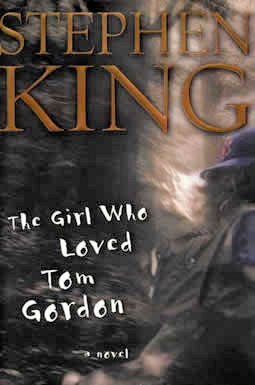
2. The Girl Who Loved Tom Gordon by Stephen King
Stephen King has written plenty of stories about ordinary people finding themselves in terrible situations. The Girl Who Loved Tom Gordon is one of the more personal examples.
The main character is Trisha McFarland, a young girl who becomes separated from her family during a hike. She wanders away from the trail and ends up lost in the woods, with no easy way to get back.
Think about how frightening that would be, especially if you were a child. At first, you might assume your family is just around the next bend. Then you walk a little farther, realize you cannot recognize anything, and start to panic.
That is the basic fear at the heart of this book.
Trisha has to deal with hunger, exhaustion, loneliness, and the growing realization that nobody knows exactly where she is. Her imagination also becomes an important part of the experience. She listens to baseball broadcasts on her portable radio and thinks about her favorite player, Tom Gordon, as a way to keep herself going.
But this is Stephen King, so the story does not stay a simple survival adventure.
As Trisha spends more time alone, the woods become increasingly frightening. She begins to feel that something else is out there with her. It is difficult to separate what she experiences from what her tired and frightened mind might be creating.
That uncertainty is one of the best things about the novel. When you are lost in a forest, every shadow can look suspicious. Every strange noise seems louder than it should be. Even if there is nothing supernatural nearby, fear can make the situation feel unbearable.
This book is a good choice for readers who prefer psychological horror over nonstop action. It is not a typical story about a group of campers being attacked by a monster. Instead, it explores what happens when someone is completely alone and has to keep fighting against both the wilderness and her own fear.
If you enjoy survival stories where the danger builds slowly, give this one a chance.
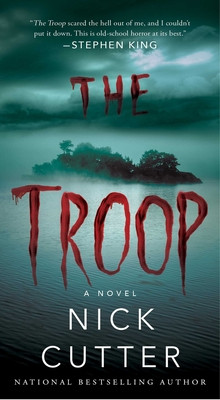
3. The Troop by Nick Cutter
Now, this is a book for people who like their horror a little more intense.
The Troop by Nick Cutter follows a group of teenage boys on a camping trip to a remote island with their scoutmaster. Their trip is supposed to be an ordinary outdoor adventure. They are away from their usual routines, spending time in nature, and learning how to survive outside their comfort zones.
Then a stranger arrives on the island.
He is seriously ill, and the situation quickly becomes disturbing. Before long, the boys find themselves facing a threat that is far beyond anything they expected when they packed their bags.
The remote setting is a big part of what makes this story work. The characters are surrounded by water, far away from normal help. They cannot just walk into town or ask someone to pick them up. They have to deal with the situation where they are.
And things get ugly.
Cutter mixes survival horror with body horror, so this is not the book I would recommend to someone who wants a gentle spooky story before bed. There are some genuinely nasty moments, and the subject matter can be uncomfortable.
Still, if you enjoy horror that pushes its characters into increasingly desperate situations, The Troop is worth considering.
One thing I find interesting about camping horror is how quickly a group can fall apart when everybody becomes frightened. People who normally get along can start arguing, blaming each other, or making bad decisions. When the situation becomes dangerous, trust matters just as much as food, water, and shelter.
That idea fits this novel particularly well.
The book is not about a traditional family camping trip, and the island setting is different from the usual deep-woods campsite. But it captures the feeling of being trapped somewhere remote while a nightmare unfolds around you.
Just be warned: this one is much more graphic than the other books on this list.
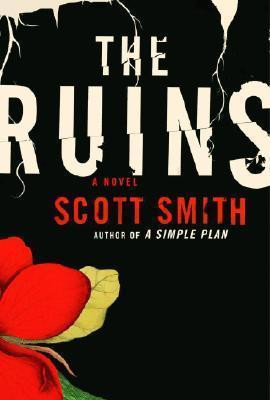
4. The Ruins by Scott Smith
A vacation is supposed to be a chance to relax. You visit somewhere new, take a few photographs, eat food you cannot get at home, and return with some good memories.
In The Ruins by Scott Smith, a group of young travelers in Mexico ends up having a very different kind of holiday.
They decide to visit an archaeological site, but the trip takes a dangerous turn when they encounter something they do not understand. The group becomes trapped in an isolated location, and escaping proves much harder than they expected.
Although this is not a conventional camping novel, it has many of the same things that make camping horror effective: an unfamiliar environment, limited resources, isolation, and the feeling that help is too far away.
The characters are not experienced wilderness survivors. They are ordinary people who find themselves in a situation they are not prepared for.
That makes their reactions interesting to follow. They argue, become frustrated, and try to figure out what to do next. Sometimes they make sensible decisions. Other times, fear and desperation get the better of them.
The setting also deserves some credit. A remote place in the middle of a trip can feel exciting at first. You are away from the usual tourist spots, seeing something different. But there is a point where being far from civilization stops feeling adventurous.
Imagine being somewhere without a proper road out, with limited supplies and no clear idea of what is waiting beyond the place where you are trapped. Suddenly, the familiar comforts of home seem very important.
Smith builds the horror around that helplessness. The characters are not simply trying to defeat a monster and move on. They are trying to survive in a place that gives them fewer options with every passing day.
If you like tense survival horror and stories about vacation plans going horribly wrong, this is a solid choice.
It is also a good reminder that a camping horror story does not always need a tent. Sometimes, all it takes is a remote location and a group of people who cannot leave.
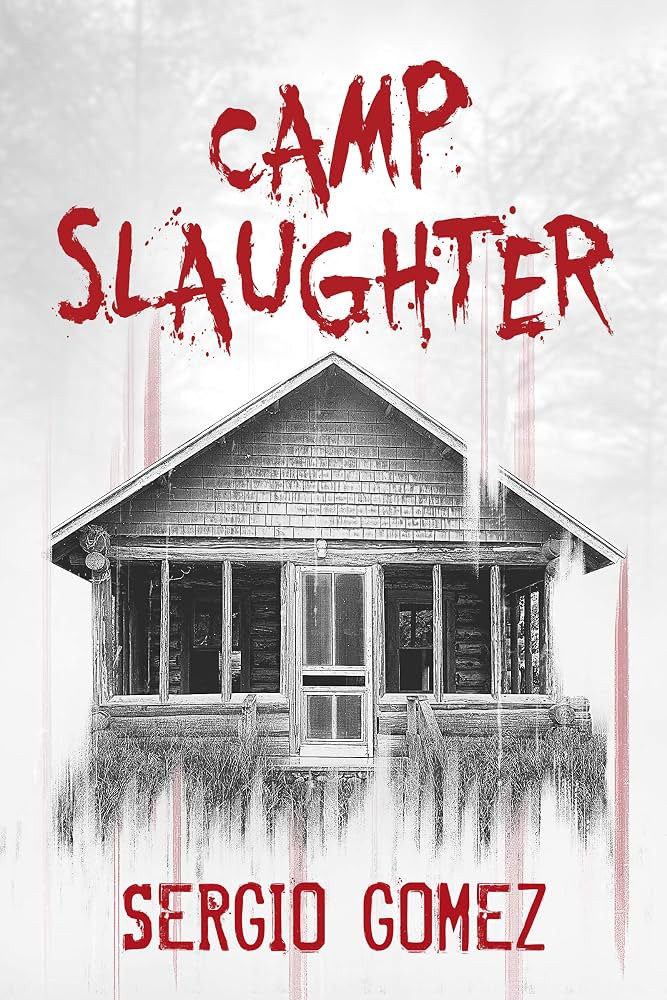
5. Camp Slaughter by Sergio Gomez
For readers who want a horror story with a more direct connection to summer camp, Camp Slaughter by Sergio Gomez is another title to look into.
The book draws on the familiar horror setup of a group of young people heading to an isolated camp. There is a reason this setting keeps appearing in horror stories. Camps offer plenty of opportunities for characters to get separated, ignore warnings, and find themselves in places where nobody can hear them.
Think about all the classic ingredients: cabins surrounded by trees, dark paths between buildings, strange noises at night, and the uncomfortable feeling that the person walking behind you might not be who you think they are.
A camp can feel safe during the day because there are other people around. At night, when the activity stops and the lights go out, that same place can feel completely different.
What makes camp-based horror interesting is that the characters often arrive expecting to have a good time. They want to make friends, enjoy the outdoors, or get away from their everyday lives. They are not expecting to spend the night worrying about what might be hiding nearby.
Of course, a slasher-style story is not quite the same as folk horror or a slow psychological survival novel. The danger is often more immediate, and the tension comes from wondering who will be targeted next.
That is part of the appeal, though. Sometimes you want a book that gets straight to the trouble instead of spending hundreds of pages building up an atmosphere.
If you enjoy summer camp horror, isolated cabins, and stories with a more traditional slasher feel, this is one to add to your list.
Just remember that camp horror can vary quite a bit in tone. If you prefer subtle scares and mysterious creatures, a slower wilderness novel might suit you better. If you want a more direct and violent kind of horror, a camp slasher could be exactly what you are looking for.
6. The Woods Are Always Watching by Stephanie Perkins
Not every scary story set in the woods needs supernatural creatures or an isolated island. Sometimes, the danger comes from ordinary people.
The Woods Are Always Watching by Stephanie Perkins follows best friends Neena and Josie on a backpacking trip before they head off to college. They want to spend time together and enjoy one last adventure before their lives change.
Naturally, the trip does not go as planned.
As they travel deeper into the wilderness, the girls find themselves facing a situation that becomes increasingly dangerous. The story shifts from a trip between friends into a fight to get out safely.
One thing I appreciate about this kind of horror is that it plays on a fear that feels different from being chased by a monster. If something supernatural appears, at least you know that the situation is unusual. With human threats, the danger can be harder to recognize until it is too late.
A stranger might seem perfectly normal at first. A seemingly harmless decision might put you in a bad position. And once you are far from roads, houses, and other people, getting away may not be easy.
That is why it is worth remembering that real camping safety matters, too. Tell someone where you are going, check your route, carry the right supplies, and do not assume that a phone will always have a signal.
The novel is aimed at a young adult audience, so readers looking for extremely graphic horror may want something else. But if you enjoy tense thrillers about friendship, danger, and surviving in the woods, it is a good option.
It also provides a nice change from stories where every frightening event has to be explained by an ancient curse or a mysterious creature.
Sometimes, the woods are just the place where people make dangerous decisions.
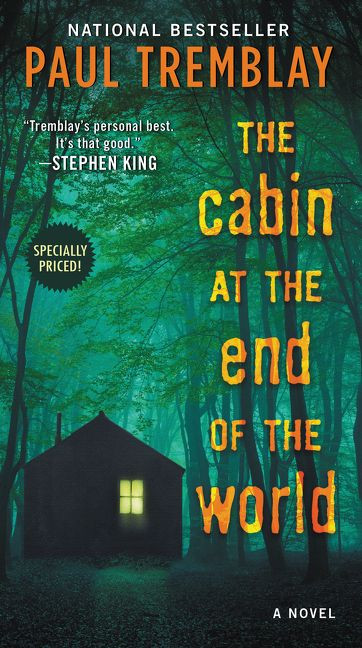
7. The Cabin at the End of the World by Paul Tremblay
This one is a little different from the others, but I think it belongs on a list for people who enjoy isolated outdoor settings and the fear of being cut off from the rest of the world.
In The Cabin at the End of the World by Paul Tremblay, a family is staying at a remote cabin when their holiday is interrupted by a group of strangers. What begins as a peaceful getaway quickly turns into a frightening confrontation.
The cabin setting is important because the characters are away from their normal surroundings. They are not in a busy neighborhood with people passing by every few minutes. They are somewhere quiet, where an unexpected visitor can change everything.
There is a particular kind of unease that comes from being in a place where you are supposed to feel safe. You have unpacked your bags, settled in, and started enjoying your time away. Then something happens that makes you question whether you are safe at all.
Tremblay builds tension through uncertainty. The characters are forced to make sense of what the strangers want, and the reader has to decide what to believe as the situation develops.
This is more of a psychological thriller with horror elements than a creature-focused camping novel. There are no simple answers waiting around the next corner, and the tension comes from not knowing what will happen next.
If you prefer horror that makes you think about the characters’ choices instead of focusing entirely on monsters, this is a good one to consider.
It is also a reminder that the perfect holiday location does not guarantee a peaceful holiday. A beautiful cabin in the woods can still become the setting for a very bad weekend.
Why Are Camping Horror Books So Scary?
I think camping horror works because it takes away the things we normally rely on.
At home, you have electricity, locks on your doors, neighbors nearby, and a phone that can usually connect you to someone. If you hear a strange noise, you can turn on the lights and check what is happening.
Camping is different.
You might be sleeping in a thin tent with nothing but fabric between you and the outside world. The nearest road could be miles away. Your flashlight only reaches so far, and the darkness beyond its beam is impossible to see through.
Even ordinary sounds become suspicious.
An animal walking through dry leaves can sound like somebody approaching your tent. Wind moving through branches can resemble whispering. A distant cracking noise might be nothing more than a falling branch, but you cannot always be sure.
Horror writers understand that uncertainty is often more frightening than a clear explanation.
There is also the problem of being responsible for your own survival. If the weather changes, you need to find shelter. If you get lost, you need to work out how to return. If somebody in your group gets hurt, you may have to deal with the situation without immediate help.
Now imagine adding a creature, a dangerous stranger, or something that does not seem to belong in the woods.
That is where a simple camping trip becomes a horror story.
Another reason these books work so well is that the setting feels familiar. Plenty of people have gone camping, stayed in a cabin, or walked along a forest trail. You do not need to believe in ghosts or monsters to understand why being alone in the woods at night might feel uncomfortable.
And once you have read a good camping horror novel, it is surprisingly easy to remember certain scenes the next time you hear something moving outside your tent.
Which Camping Horror Book Should You Read First?
It depends on the kind of fear you enjoy.
If you want a dark forest, strange folklore, and an increasingly disturbing atmosphere, start with The Ritual by Adam Nevill.
If you prefer a lonely survival story where the main character has to fight exhaustion and fear, try The Girl Who Loved Tom Gordon by Stephen King.
For something much more intense and graphic, The Troop by Nick Cutter is worth considering. Readers who enjoy vacation horror and desperate survival will probably get more out of The Ruins by Scott Smith.
For a summer camp setting, check out Camp Slaughter by Sergio Gomez. If you prefer a modern thriller about a backpacking trip that goes wrong, The Woods Are Always Watching by Stephanie Perkins is another option.
And if isolated cabins and psychological tension are more your thing, The Cabin at the End of the World by Paul Tremblay offers a different kind of nightmare.
Personally, I think the best camping horror stories are the ones that make the setting feel like part of the threat. The forest does not have to be evil. The trees do not need faces, and every shadow does not need to hide a monster. Sometimes, the fact that you cannot see very far is enough.
You know that feeling when you are camping and wake up in the middle of the night? For a few seconds, you have no idea where you are. Then you remember the tent, the trees, and the fact that you are miles away from home.
Now imagine hearing three slow footsteps just outside the tent.
Then nothing.
No more footsteps. No movement. Just silence.
Would you open the zipper to see what was there?
I would probably stay very still and hope that whatever it was decided to leave.
And that is exactly why I keep coming back to horror books about camping. They take an ordinary experience, add a little uncertainty, and make you wonder how comfortable you would really feel spending a night alone in the woods.