Some vampire stories are so familiar that they almost feel like fairy tales. Castles,, garlic, and ancient curses are usually part of the package. The Croglin Grange Vampire is different. The story is tied to a real place in England, a country house, and a strange nighttime attack that was reportedly passed down as a family story.
I also think the setting matters. A country manor is already the perfect place for this kind of tale because it gives the story a feeling of isolation. There are dark windows, long corridors, and plenty of distance between one room and the next. Even without a vampire, it is easy to imagine how a strange visitor could become the subject of a frightening story.
What Happened at Croglin Grange?
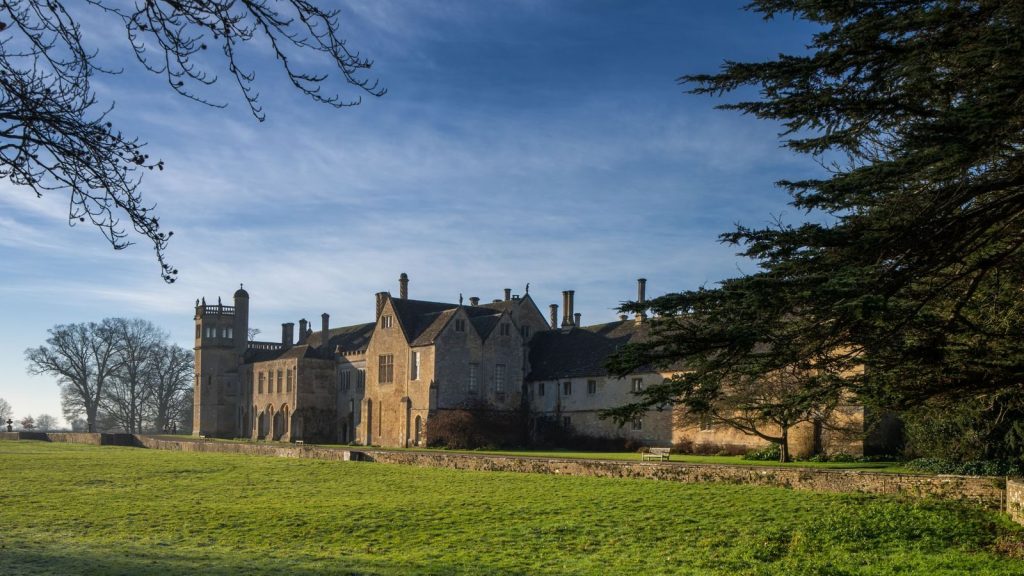
The Croglin Grange Vampire story is usually associated with a country house in Cumberland, now part of Cumbria. According to the account, members of the family rented the property during the summer. One evening, two of them were sitting upstairs when they noticed something moving outside.
A dark figure was approaching the house.
A woman reportedly saw a strange face looking through the window before the figure entered the room. What followed became the central part of the Croglin Grange Vampire legend. The Croglin Grange Vampire attacked her and bit her on the neck before disappearing into the darkness.
She survived, but the story says she became seriously ill afterward.
The Vampire Returns
This is where the story becomes much stranger.
According to the traditional account, the woman later told her brother what had happened. He apparently did not know what to make of it. Then, on another night, the creature returned.
The Croglin Grange Vampire was supposedly seen again outside the house. Her brother fired at it, and the creature was injured. Instead of disappearing completely, however, it reportedly escaped through the window.
The following morning, the family searched the area and supposedly discovered a trail leading away from the house.
The Croglin Grange Vampire Story
The Croglin Grange Vampire story was later associated with the Lowther family and published in nineteenth-century accounts of English supernatural traditions. Some versions identify the attacker as a vampire, while others describe it more generally as a strange supernatural being.
The Croglin Grange Vampire is often presented online as if every detail were historical fact. It isn’t. There is no reliable evidence proving that a vampire attacked anyone at Croglin Grange.
What exists is a fascinating piece of English folklore that became increasingly famous through books and later retellings.
What Did the Creature Look Like?
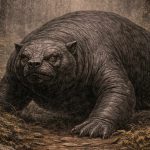
Descriptions are not completely consistent. In popular versions, it is often portrayed as a thin, frightening figure with a pale or distorted face. Some illustrations make it look like the classic European vampire, while other interpretations give it a more animal-like appearance.
The creature’s reported ability to appear at night and then vanish is another familiar feature of vampire folklore. Yet the old account does not give us a complete set of supernatural rules. That makes it feel less like modern horror fiction and more like a story gradually shaped by memory.
This is common in vampire folklore. Older legends rarely come with a neat description of exactly what a creature looked like or what rules it followed. Those details tend to appear later as stories spread.
Croglin Grange Today
The name Croglin Grange still attracts people who enjoy old haunted-house stories, although the original building and exact setting are surrounded by uncertainty and later changes.
You may also see searches for a Croglin Grange movie, because the story sounds like something made for a horror film. A remote manor, a nighttime attack, and a creature returning after being shot already have the basic ingredients.
Was It Really a Vampire?
Probably not, at least not in any way that can be demonstrated today.
The Croglin Grange Vampire belongs to the world of legend rather than confirmed history. There is no verified evidence of an undead creature living around the house, and the reported attack cannot be independently established.
Still, that does not make the legend boring.
The Croglin Grange Vampire remains a memorable example of English folklore because it sits somewhere between a ghost story, a vampire tale, and a supposedly real family experience.
I think that is why old stories like this survive. You can tell yourself that nothing supernatural happened, but then you imagine standing inside that quiet house at night and seeing a figure outside your window.
At that point, the explanation probably matters a little less than the feeling.