There are plenty of vampire stories in Europe, but the Striga is one of those creatures that feels a little different from the usual blood-drinking monster. In Polish folklore, a Strzyga was often described as a dangerous female creature who returned from the dead to prey on the living. Some stories make her sound like a vampire, others like a witch, and a few descriptions are strange enough that she seems to belong to both worlds.
What makes the Strzyga especially unsettling is that, according to some traditional beliefs, she might not have started out as a monster at all. She could have been born human.
And that is where things get creepy.
A Person Who Was Never Quite Human
Old Polish beliefs about the Strzyga varied from place to place, so there isn’t one single description that fits every story. In some versions, a Strzyga was a woman who died and came back to life. In others, the creature’s strange nature was already present from birth.
One traditional sign was having two souls. It was believed that a person born with this unusual condition might become a Strzyga after death. The idea was that one soul could leave the body while the other remained behind, allowing the creature to return and continue its terrible activities.
Imagine living in a small village where people took these beliefs seriously. A child born with unusual teeth or some other physical difference might attract suspicion that followed them for years. In a world without modern medical explanations, something that seemed unusual could easily become the subject of frightening stories.
It is worth remembering that these were folk beliefs, not evidence that such creatures existed. Still, they tell us a lot about the fears people attached to birth, death, and anything they couldn’t explain.
What Did a Strzyga Look Like?
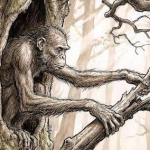
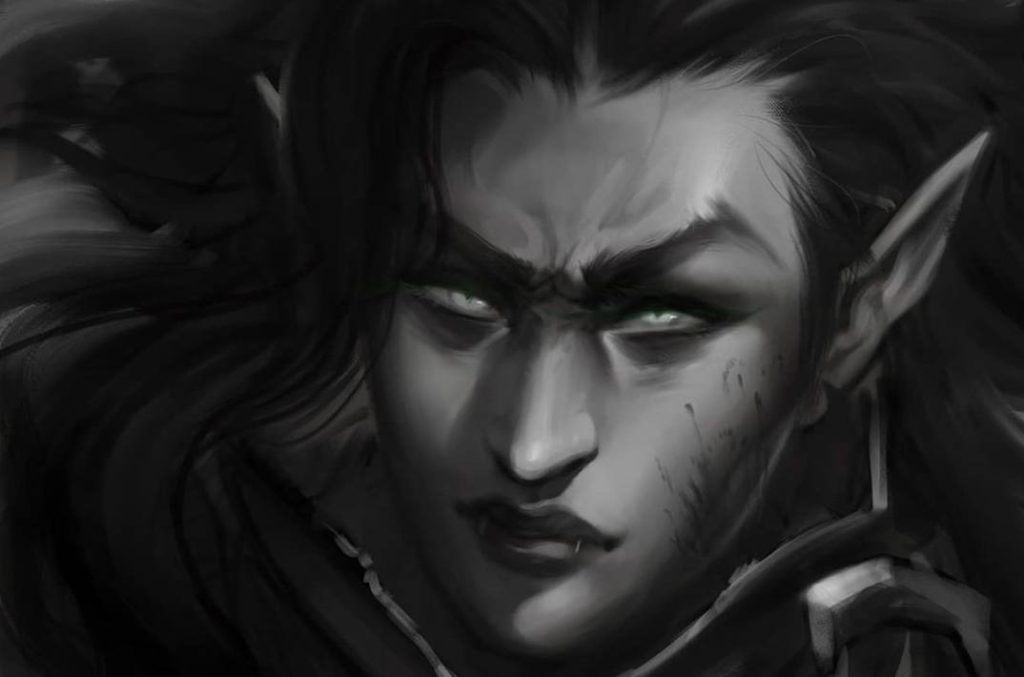
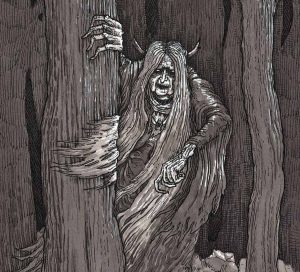
The Strzyga doesn’t have one universally agreed appearance. Some accounts describe her as a human woman who becomes monstrous after death. Other depictions give her the appearance of a frightening, corpse-like figure with sharp teeth and a hunger for human blood.
Modern illustrations often show the Strzyga with long hair, clawed hands, pale skin, and an almost birdlike or batlike quality. Those images can be effective, but they shouldn’t all be treated as details from old Polish tradition. Artists frequently combine features from different European vampire stories to create a single, recognisable monster.
The name itself is sometimes connected with the striga or strix, terms associated in ancient and later European traditions with harmful supernatural beings, including creatures linked to night and attacks on the living. Over time, related words and beliefs developed differently across regions.
That mixture of influences is part of what makes the Striga interesting. She belongs to a wider family of European night creatures, yet Polish folklore gave her a character of her own.
The Strzyga and the Fear of the Dead
Many traditional Strzyga stories revolve around a fear that the dead might not stay dead.
Today, death is surrounded by hospitals, official records, and established funeral practices. In earlier rural communities, death could be much harder to understand. People sometimes struggled to determine exactly when life had ended, and unusual events around a burial could become the beginning of a frightening explanation.
If misfortune struck a village repeatedly, people might look for a cause. If someone died unexpectedly, or if a family believed that the dead person had somehow brought harm to the living, suspicion could fall on a supposed supernatural threat.
Stories about creatures returning from the grave offered one way to make sense of those fears. They gave people a figure to blame, even when the real cause of an illness or a death was unknown.
The Strzyga fitted that role particularly well because she was not always imagined as a stranger arriving from somewhere else. In some versions, she had once been a neighbour, a relative, or an ordinary member of the community.
That detail makes the legend much more disturbing than a story about a monster hiding deep in the forest. The danger might be someone the villagers had known all their lives.
Why Was She Compared to a Vampire?
The modern word vampire brings a fairly specific image to mind: a dead person who rises at night and drinks the blood of the living. The Strzyga shares some of those characteristics, but the older folklore is not always so neat.
Depending on the account, she could be associated with blood, attacks on people, or other forms of harm. Some stories also connect her with the dead returning to trouble the living. These similarities explain why modern writers often describe her as a Polish vampire.
But calling her simply a vampire can leave out the beliefs that made her distinctive. Her supposed connection to unusual birth characteristics and the idea of possessing two souls set her apart from many familiar vampire stories.
She also belongs to a time when the boundary between a witch, a restless dead person, a demon, and a vampire was not always clearly drawn. Folklore doesn’t follow a tidy monster classification system. One village’s creature might resemble another village’s, while still having a different name and a different set of rules.
That’s something I find fascinating about these legends. The creatures don’t always fit the categories we try to put them in today.
How Did People Protect Themselves?
There wasn’t one universal set of Strzyga precautions followed throughout Poland. Practices and beliefs differed between regions, and stories changed as they passed from one generation to another.
In European folklore more broadly, people sometimes believed that unusual burials, protective objects, prayers, or other ritual actions could prevent the dead from returning. Some customs were intended to keep a suspected dangerous corpse in its grave; others were meant to protect the household or community from supernatural harm.
It is important not to treat every one of these customs as a specifically Polish Strzyga ritual. Similar practices appear in different traditions, and modern retellings sometimes combine them into one dramatic account.
Still, the underlying fear is easy to understand. If people believed a dead person could come back, then a burial wasn’t necessarily the end of the story. The community might feel that it had to take additional steps to keep the dead where they belonged.
There is something grim about that idea. Death was supposed to bring an end to a person’s troubles, but in these stories it could mark the beginning of an entirely different kind of fear.
Was the Strzyga a Witch, a Demon, or a Restless Spirit?
The answer depends on which version of the tradition you’re looking at.
The Strzyga is often described today as a female vampire, but she can also be compared with witches, demons, and other supernatural figures associated with death. Those comparisons are useful, provided we don’t assume that all these beings were identical.
A witch is generally imagined as a living person with supernatural abilities, although folklore has never used the word in only one way. A vampire is commonly a dead being that returns to feed on the living. A restless spirit may return because it has unfinished business or because it cannot find peace.
The Strzyga can overlap with these ideas without fitting perfectly into any one of them. In some accounts, her monstrous nature is connected to the circumstances of her birth; in others, the emphasis falls on her return after death.
That uncertainty is part of the legend’s appeal. There isn’t always a single definitive answer to what she was supposed to be.
The Legend Behind the Monster
It’s easy to turn the Strzyga into just another entry in a list of vampires from around the world. Give her sharp teeth, put her in a dark graveyard, and she’s ready for a horror game or a monster movie.
But the older stories have something more unsettling behind them. They reflect a time when people could fear that death had not done its job, that someone who looked human might be dangerous, or that a tragedy in the village had a supernatural cause.
They also show how quickly difference could become frightening when people lacked reliable explanations for what they saw. A physical trait that seemed unusual might become attached to a story about a person who was not fully human. Over time, that story could grow into a warning passed around the community.
I think that is what makes the Strzyga worth reading about. She isn’t merely a Polish version of the familiar vampire. Her legend brings together fears about birth, the body, the grave, and the possibility that someone we have buried might not be gone after all.
And if you imagine hearing that story in a village at night, with the cemetery just beyond the last houses, you can probably understand why people kept telling it.
The Strzyga may belong to folklore, but the fear at the centre of the story is a very human one: the fear that some things we consider finished might not be finished at all.