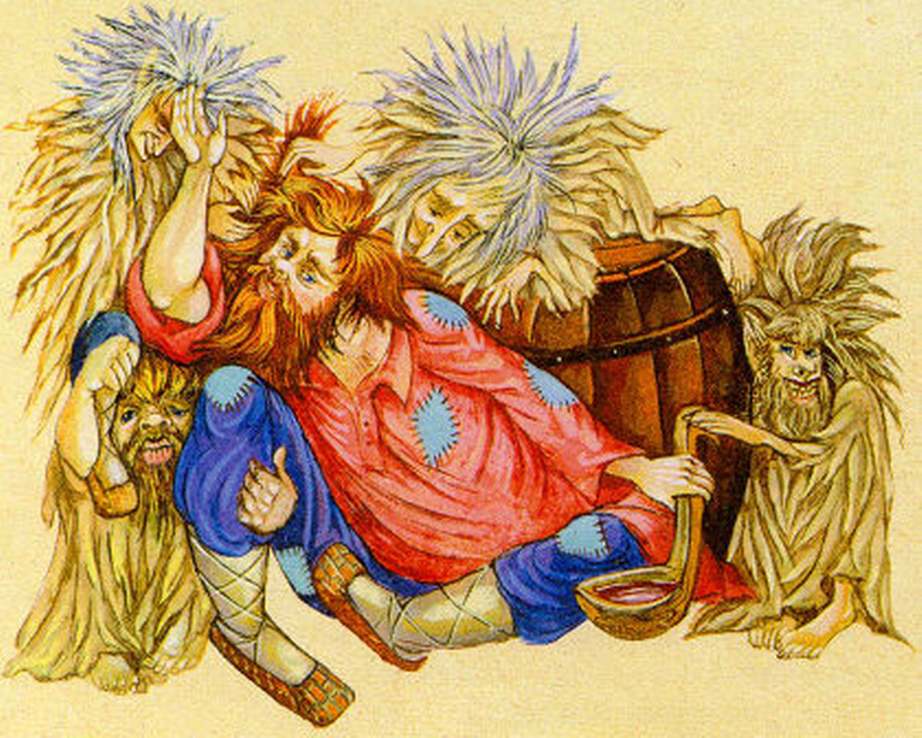
Zlydzens are among the strangest and most mischievous creatures in Slavic folklore, and if you have never heard of them, you are about to meet some of the worst houseguests imaginable. In Belarusian and Ukrainian tradition, zlydzens are small, hunchbacked beings that sneak into a home, settle behind the stove, and slowly turn a comfortable household into a place of mess, misfortune, and poverty. Think of them as gremlins with a Slavic accent. In this post I want to walk you through who they are, what they look like, why they choose the houses they do, and how people supposedly got rid of them.
So, What Exactly Is a Zlydzen?
In Belarusian and Ukrainian the word is zlydni, almost always used in the plural, because a zlydzen almost never travels alone. English-language sources often call them zlydzens, and that is the spelling I will use throughout this article, though you will see both forms in the wild. The name is closely tied to the idea of misery and want. In Ukrainian, the same word is used for poverty itself, which tells you everything about the reputation of these creatures. A zlydzen is not just a pest. It is the folk explanation for why some households lose money, break their dishes, and never seem to get ahead no matter how hard they work.
Folklorists group them with the many small household spirits of the Slavic world, but they sit on the dark side of that family. A domovoi, the classic house spirit, can be grumpy but protective. A zlydzen is the opposite. It has no loyalty to the family, no interest in guarding the livestock, and no desire to help. It exists to make trouble.
What Do Zlydzens Look Like?
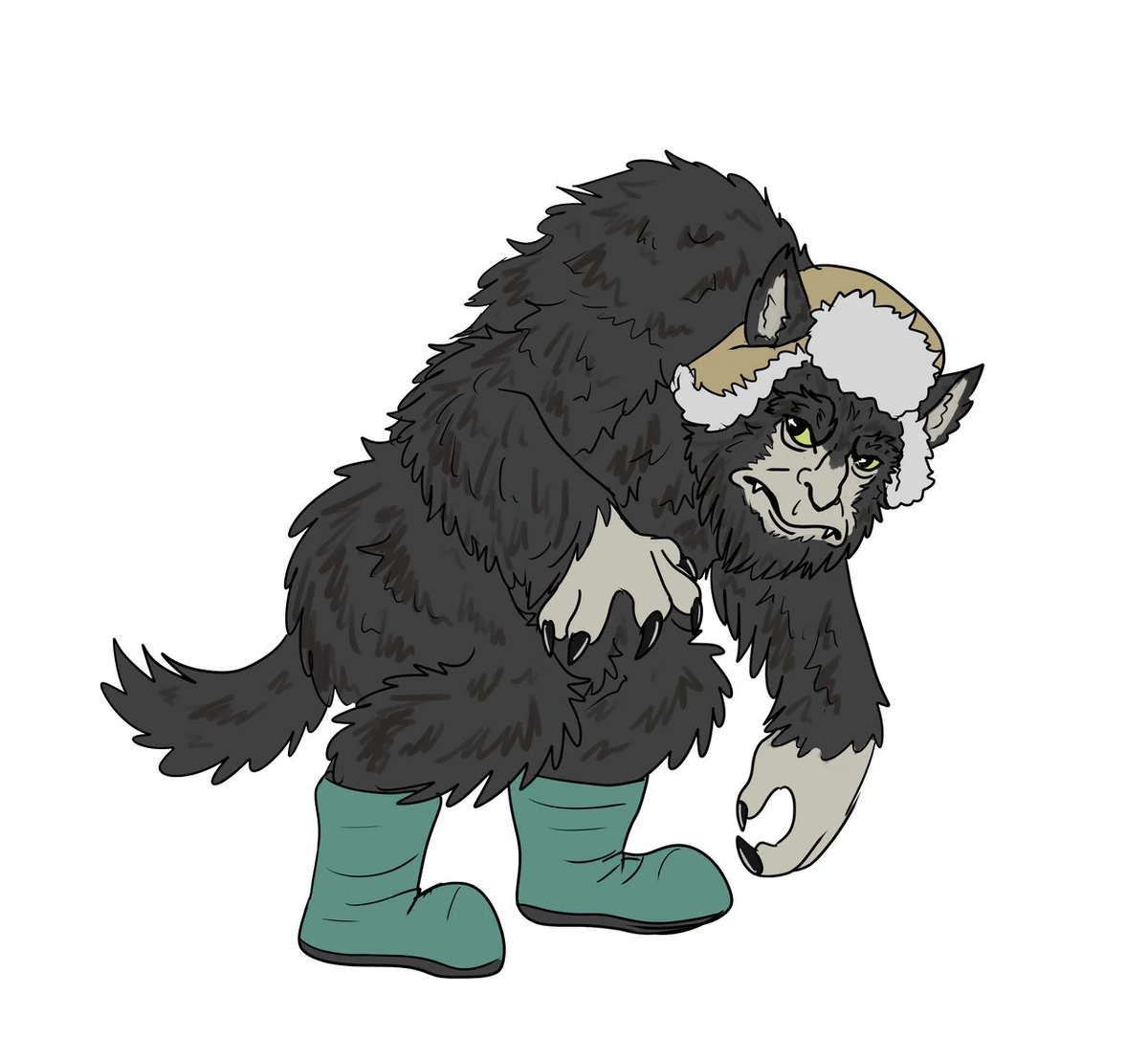
Descriptions vary from village to village, but the Belarusian version is wonderfully specific. Zlydzens are small and humpbacked, and they look like a cat and a dog at the same time, as if a creature could not decide which household animal to imitate. Some stories add a delightfully odd detail: they wear big boots and hats with earflaps. Picture a tiny, hunched, furry thing stomping around your kitchen in oversized boots, and you will understand why people found them both funny and unsettling.
The Ukrainian tradition goes in a darker direction. There, zlydni are sometimes described as women without eyes, tongues, or ears, with bodies that resemble snakes. In other versions they look like mangy, sickly animals. In some tales they do not even bother with a body at all and simply sit on a person’s shoulders, carrying misery wherever that person goes. That variety is part of the charm of folklore. The same creature can be a clumsy gremlin in one valley and a creeping horror in the next.
Life Behind the Stove
Every good monster needs a lair, and the zlydzen’s lair is the masonry stove. In traditional Belarusian and Ukrainian homes, the large brick or clay stove was the heart of the house. It cooked the food, heated the room, and often served as a bed for the elderly or the children on cold nights. It was also full of cracks, corners, and dark gaps, which made it the perfect hiding place for something small and unwelcome.
That detail says a lot about how people thought about their homes. The stove was warm, safe, and sacred, so it makes sense that the folk imagination placed the danger right there, in the center of the house, hiding in plain sight. The zlydzens do not break in with force. They settle into the warmest and most comfortable spot, and they wait.
There is something quietly creepy about that idea. Imagine sitting by the stove on a winter evening, enjoying the heat, while a crowd of tiny hunched creatures watches you from the shadows behind it, waiting for you to leave. Horror does not always need a graveyard. Sometimes it only needs a cozy kitchen and a little imagination.
What Do They Actually Do?
Here is where the stories get fun. According to Belarusian folklore, the zlydzens wait until the owner leaves the house. The moment the door closes, they crawl out of their shelter and go to work. They damage the utensils. They pour the milk out of the pitchers. Pans fly around the room. Their shrieks and cries can be heard across the whole village, so the neighbors know exactly what is going on, even if the owner does not.
It is chaos for the sake of chaos. The zlydzens do not steal treasure or hide in the attic to count coins. They simply ruin things: food, dishes, tools, and the general peace of the home. If you have ever come back from a trip to find that everything seemed slightly broken, spilled, or out of place, you can imagine how a medieval villager might have blamed a gang of invisible little creatures behind the stove.
There is also a practical side to the legend. In a farming household, spilled milk and broken pots were real losses. A cracked pan meant a trip to the market. A spoiled jug of milk meant less food for the children. The zlydzen stories gave a face to those small, constant, frustrating disasters.
Why Greedy People Attract Zlydzens
Now we reach the moral of the story, because folklore is rarely just about monsters. Belarusian tradition says zlydzens are drawn to the homes of greedy owners and to people who want to get rich quickly. In other words, the creatures are not random. They are a kind of punishment, or at least a warning.
Think about what that means. The person who chases fast money, who cuts corners, who hoards instead of sharing, ends up with a house full of gremlins that waste what they have. The more you grab, the more slips away. It is a neat piece of village wisdom wrapped in a spooky story: steady work and honesty keep a household safe, while greed invites ruin through the back door. Many cultures have tales like this, but I love that the Slavic version gives the consequence a name, a shape, and a pair of ridiculous boots.
Cowards in Packs
One of my favorite details about the zlydzens is that they play their nasty tricks in groups. According to the Belarusian sources, they do this because, like many other small and harmful creatures, they are cowards and are afraid to act alone. They need the crowd. Alone, a zlydzen is nervous and weak. Together, a swarm of them can wreck a kitchen in minutes.
That makes them a perfect mirror of human behavior. We all know people who are bold only when they are surrounded by friends, and who disappear the moment they have to face something alone. The zlydzens are the folklore version of a mob of cowardly bullies. They strike when nobody is home, they run when somebody returns, and they never show their faces in daylight.
How Do You Get Rid of Zlydni?
Once zlydzens have moved in, evicting them is not easy. You cannot just sweep them out with a broom. According to Ukrainian and Belarusian tradition, the way to deal with them is to use their own foolishness against them. The usual method is to trick them into climbing into a bag. Once they are inside, the bag is tied up and carried away, and the whole bundle is thrown into a bog.
I like this solution for a few reasons. First, it treats the zlydzens as stupid as well as cowardly, which fits the rest of their personality. Second, the bog is a classic place in Slavic folklore for sending away things that are not welcome in the human world. And third, it is a reminder that in these stories, cleverness usually beats strength. You do not defeat the creature with a sword. You outwit it with a sack.
The Zlydni Movie: Plasticine Folklore
If you want to see zlydni on screen, there is a wonderful place to start. In 2005 the Ukrainian animator Stepan Koval, sometimes called a genius of plasticine, made a short animated film called Zlydni. The title translates as poverty, but it refers to the creatures we have been talking about. The film follows a Hutsul couple, Pyotr and Marichka, and shows what happens when the zlydni settle into their home.
It is part of a series called Mountain of Gems, a collection of more than seventy short films, each based on a different piece of folklore from the region. One funny detail is that the couple speak Ukrainian while the zlydni speak Russian, a small linguistic joke that adds another layer to the film. It may look like a children’s cartoon, but the subject matter is dark, and that mix of cute clay figures and real folk fear is exactly what makes it memorable.
Zlydzens and Their Belarusian Neighbors
The zlydzens are only one small corner of a very rich mythology. Belarusian folklore has plenty of other spirits, and many of them are the opposite of the zlydzens. Take the zhytsen, whose name means rye creature. It walks through the fields and helps the crops ripen, and if it finds leftover ears of grain, it binds them into sheaves and carries them to the fields of the most diligent farmers. Then there is the dzedka, an old man with a long red beard who looks like a beggar with a bag. Anyone who meets him falls asleep and wakes up with the sum of money they needed.
There is also the lazavik, a one-eyed guardian of the marshes who carries a long whip, and the zheuzhyk, a thin old man with a red beard who protects lakes and rivers and rescues people in trouble on the water. Compare all of these helpful or neutral spirits with the zlydzens, and a pattern appears. The good spirits reward hard work, honesty, and respect for nature. The zlydzens appear where those values fail. It is a whole moral universe populated by little creatures.