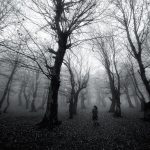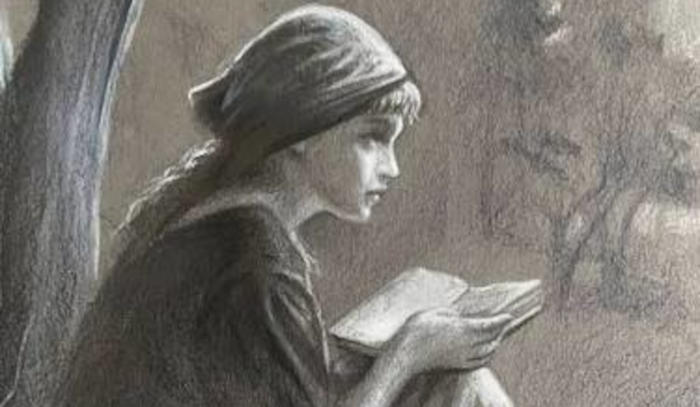
The Huldra in Swedish folklore is one of those figures that makes an ordinary walk through the woods sound a little less ordinary. She’s usually described as a beautiful woman who appears in lonely forest areas, sometimes approaching travellers or catching the attention of people who happen to be alone. The strange part is that she doesn’t always look frightening. In fact, that’s kind of the point. At first glance, she might look like any other woman. It’s only when you hear the details of the stories that things start to feel wrong.
One thing worth clearing up is that the Huldra is more strongly associated with Norwegian folklore, while Swedish stories often feature a closely related forest spirit called the skogsrå. The two aren’t exactly interchangeable in every tale, but they share enough similarities that they’re often discussed together.
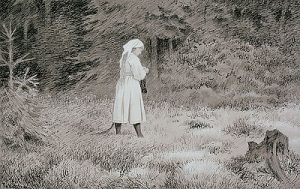
So, what exactly is the Huldra?
The Huldra is usually described as a woman who lives in the forest and has something unusual about her appearance. Depending on the version of the story, she might have long hair, wear traditional clothing, or look so attractive that people find it difficult to ignore her.
Then there’s the tail.
In many Norwegian versions, the Huldra has a cow’s tail hidden beneath her clothes. Some stories describe other strange physical features, and related Swedish traditions sometimes mention a hollow back. These details vary from one account to another, so there’s no single description that fits every version.
I think the tail is one of the more interesting details because it’s such a small thing. The Huldra can look completely human until somebody notices what’s hidden behind her. Suddenly, the whole encounter takes on a different meaning.
That’s a pretty effective idea for a folklore creature. She doesn’t need claws, glowing eyes, or some dramatic monster appearance. She can stand there looking perfectly normal, and the person meeting her has no idea what they’re dealing with.
The Swedish connection: the skogsrå
If you’re looking specifically at Swedish folklore, the skogsrå is an important figure to know about.
The name refers to a female forest spirit associated with the woods and the people who work or travel there. In traditional accounts, she might appear to hunters, woodcutters, or other people spending time away from settlements. Sometimes she was portrayed as helpful, while other stories warned that she could mislead people or cause trouble.
It’s easy to see why stories like these developed. Forests weren’t just places people visited for a relaxing walk. They were part of everyday life, providing wood, food, and grazing land. People could spend hours working far from home, and getting lost wasn’t exactly a minor inconvenience.
When somebody returned with a strange story about meeting a woman in a remote part of the forest, that story could become part of local folklore.
The Huldra and the skogsrå have similarities, but it’s better not to treat every detail as if it belongs to both creatures equally. Folklore changes from region to region, and the names people use matter.
Why would anyone follow her?
This is where the stories get a little strange.
In some versions, the Huldra attracts men and leads them deeper into the forest. The encounter might begin with a conversation or simply with the sight of a woman standing somewhere she probably shouldn’t be. The person follows her, becomes distracted, or loses track of the path.
There’s also the question of temptation. A person sees something appealing and follows it, ignoring the possibility that they should probably stay where they are. That’s a theme that turns up in plenty of folklore around the world.
What’s interesting is that the Huldra isn’t always described as purely evil. Some stories give her a more complicated personality. She might reward someone, show affection, or react badly to the way she’s treated.
That makes her harder to categorize than a creature that simply attacks everyone it encounters.
The details that give her away
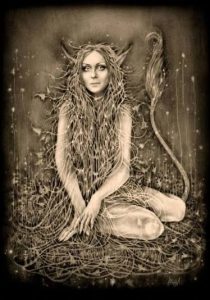
A lot of Huldra stories rely on one detail that doesn’t quite fit.
It might be her tail. It might be the shape of her back. In another version, the unsettling part is simply that she appears in a remote place and then disappears without explanation.
Not every story includes a dramatic reveal, either. Sometimes the strange detail is something the person only notices after the encounter. That’s the sort of thing that makes a legend easy to retell around a fire or during a late-night conversation.
You can imagine someone telling a story about meeting a woman in the woods, only for a friend to ask why she was there in the first place. Then comes the detail about the tail, or the strange way she moved, or how the person couldn’t find the same path on the way home.
Whether the story was meant as a warning, entertainment, or an explanation for an unsettling experience probably depended on who was telling it.
The forest is part of the story
Something I like about Scandinavian forest folklore is that the setting actually matters. The woods aren’t just a convenient place to put a supernatural character.
A forest can feel completely different depending on the weather and the time of day. A path that’s easy to follow in bright daylight can become confusing when the sun drops behind the trees. Wind can sound like distant voices, and thick branches can hide movement just a few metres away.
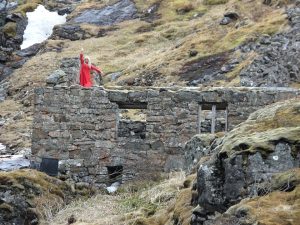
People who spent a lot of time in the forest would have been familiar with these things. That doesn’t mean they necessarily believed every strange sound came from a spirit, but folklore gave them a way to talk about the parts of the natural world they couldn’t easily explain.
The Huldra fits into that setting almost too well. She looks human enough to approach, but the forest makes it difficult to know who she really is or where she might go.
And unlike a creature that lives in a cave or attacks a village, she doesn’t need to come to you. You’re already in her territory.
The Huldra at Kjosfossen
One place where the Huldra appears today is Kjosfossen, a waterfall in Norway visited by passengers on the Flåm Railway. Visitors may see a performer dressed as a mysterious woman near the falls, bringing the folklore to life as part of the attraction.
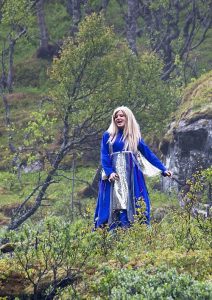
Obviously, a modern performer at a tourist attraction isn’t evidence that the Huldra exists. Still, the setting makes sense. The waterfall is loud, the surrounding landscape is dramatic, and the mist and rocks give the place a wild atmosphere.
It’s easy to understand why people have used locations like this as settings for legends. Places that feel remote or overwhelming often attract stories, especially when the landscape seems to have a personality of its own.
The Kjosfossen performance is Norwegian rather than specifically Swedish, but it shows how the Huldra remains recognizable in modern Scandinavian culture.
Was the Huldra supposed to be evil?
Not necessarily. That depends on the story.
Some accounts make her dangerous, particularly when she tricks someone into following her. Others describe encounters that aren’t immediately hostile. Like many folklore figures, she doesn’t always fit neatly into the category of good or evil.
I wouldn’t read every Huldra story as a literal warning about a supernatural woman, either. Traditional stories often carried several meanings at once. They could entertain people, explain an unsettling experience, reinforce local customs, or warn someone not to wander off alone.
The Huldra’s appearance also plays into the theme of not trusting everything at face value. Someone can seem completely ordinary while hiding something unexpected. That’s a pretty timeless idea, even if the details of the legend belong to a particular cultural tradition.