Croatia has some pretty strange stories hidden in its old folklore. Not all of them are about ghosts or monsters. Some are about beautiful fairies living in the mountains, witches walking through villages at night, and strange little creatures hiding in the woods.
People have been telling these stories for hundreds of years. Some were shared by grandparents around the fireplace, while others were used to explain strange things that happened in villages. And honestly, some of these creatures sound much more frightening than the monsters we see in modern horror movies.
Croatian folklore is also quite varied. Different parts of the country have their own stories and local creatures. Istria, Dalmatia, and the mountain villages all have different legends.
Here are some of the most interesting Croatian mythical creatures and the strange stories behind them.
Vila
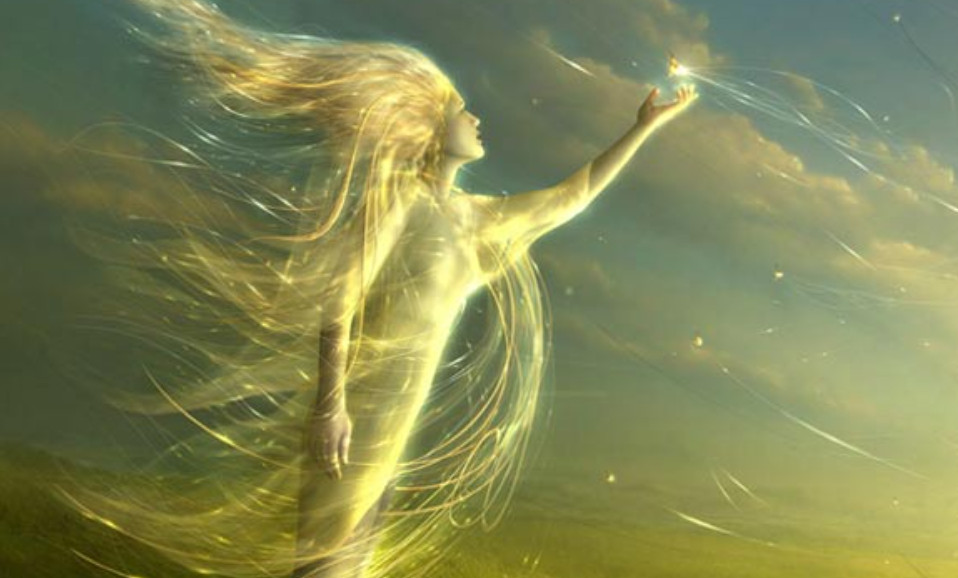
Vilas are among the best-known creatures in Croatian folklore. They are usually described as beautiful women with long hair, pale faces, and white dresses. Some stories say they live in forests, near rivers, or high in the mountains.
But don’t let their beautiful appearance fool you. Vilas were not always friendly.
In some stories, they helped lost travelers and rewarded people who treated them kindly. They could also protect certain places and punish anyone who disturbed their homes. People believed that making a vila angry was a very bad idea.
There is also an interesting detail about their appearance. Some Croatian legends say that vilas had animal-like feet, such as the feet of a horse or donkey. They usually hid them under their long dresses.
Vilas were also known for singing and dancing. People believed they gathered in open fields and mountain clearings, especially at night. Anyone who came across their dances was advised to leave them alone.
Krsnik
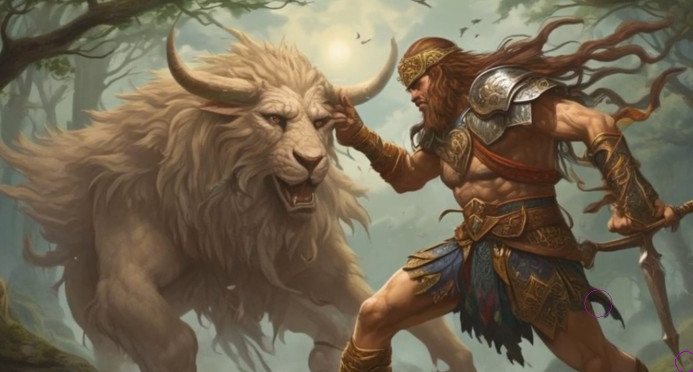
The krsnik is one of the strangest characters in Croatian folklore. Unlike most mythical creatures, a krsnik was believed to be a human being with special powers.
According to old stories, krsniks were born with a thin white covering over their bodies. People believed this was a sign that the child would grow up to have supernatural abilities.
Their main job was to protect people from evil forces. They fought witches, harmful spirits, and other dangerous creatures that could bring trouble to a village.
Some stories say that krsniks could change into animals, fly through the night, and even control the weather. They were also believed to have healing powers.
One of their biggest enemies was the štriga, a dangerous witch from Istrian folklore. The two were often described as enemies who fought during the night.
What makes the krsnik especially interesting is that nobody could easily recognize one. During the day, he might look like any other villager. He could be a farmer, a worker, or just an ordinary man living next door.
Štriga
The štriga is a witch-like creature from Istrian folklore. People believed these women could use magic to hurt others, bring bad luck, and cause strange illnesses.
Unlike the witches in fairy tales, a štriga did not need a strange hat or a flying broom. She could look like an ordinary woman living in the village.
According to local stories, štrige were especially active at night. Some could change their appearance or turn into animals to move around without being noticed.
Cats and birds were sometimes connected with these stories. People believed that a strange animal appearing near their homes at night could be a witch in another form.
There were also male versions called štriguni. They shared many of the same supernatural abilities.
The štriga is often mentioned alongside the krsnik. While the krsnik protected people, the štriga was believed to bring trouble. Their battles became an important part of Istrian folklore.
Vukodlak
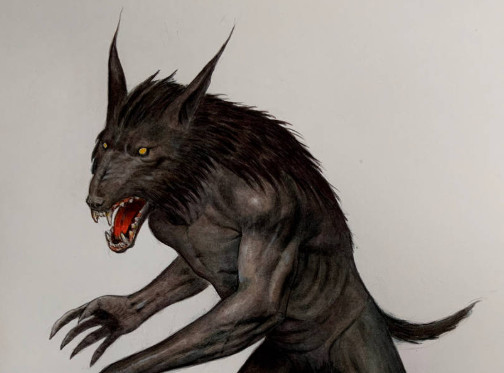
The vukodlak is a frightening creature found in Croatian and wider South Slavic folklore. The name is often connected with the idea of a werewolf or a person who becomes a dangerous animal-like creature.
Old stories describe the vukodlak in different ways. Sometimes it looks almost like a normal wolf. In other stories, it has the body of a person but the features of a wild animal.
The creature was usually connected with the night. People believed it could appear near villages, forests, or lonely roads after dark.
Some stories said that a person could become a vukodlak after death. Others connected the creature with witchcraft or a curse.
The exact details changed from one region to another. In some versions, the vukodlak was mainly a dangerous monster. In others, it was more closely connected with the dead and supernatural forces.
This is what makes the old stories interesting. There was no single version of the vukodlak. Every village could have its own idea of what the creature looked like and what it could do.
For people living in rural areas centuries ago, a dark forest and the sound of an animal outside at night were enough to make stories like these feel very real.
Divlji Čovjek
As the name suggests, he was imagined as a wild human-like creature living away from normal society. Stories usually placed him in deep forests, mountains, or other places where people did not often go.
He was often described as a large man covered in thick hair. He could look almost human from a distance, but something about him was clearly different.
The Wild Man was not always evil. In some stories, he simply wanted to be left alone. In others, he could help people who treated him with respect.
But meeting one in a dark forest would still be a pretty unpleasant surprise.
The idea of a wild human living beyond the edge of civilization is very old. Before modern cities and roads changed the landscape, forests could feel enormous and mysterious. It was easy to imagine that something strange might be living somewhere deep inside them.
The Divlji Čovjek represents that old fear of the unknown wilderness. He was not a perfect monster with a clear purpose. He was simply something that belonged to the forest and did not belong to the human world.
Jure Grando
Jure Grando is one of the most famous vampire figures in Croatian folklore. His story comes from the village of Kringa in Istria.
According to local accounts, Grando died in 1656. However, villagers later claimed that he had returned from the grave.
People said he appeared at night and visited houses, frightening the villagers. His widow was also said to have been disturbed by visits from her dead husband.
Eventually, the villagers decided to deal with the problem. They reportedly tried to destroy his body with a wooden stake. When that did not work, they cut off his head.
What makes this story particularly interesting is that it was recorded by Johann Weichard von Valvasor in the seventeenth century.
Jure Grando is often mentioned as one of the earliest recorded vampire cases in Europe. His story has helped make the small village of Kringa famous among people interested in vampires and dark folklore.
Croatian Giants
Giants also appear in Croatian legends. These enormous beings were believed to have lived in the land during ancient times.
Some stories describe them as friendly creatures who helped people. Others give them a much darker personality.
Giants were often connected with mountains, huge rocks, and unusual natural formations. People sometimes believed that large stones or strange landscapes were created by these enormous beings.
One place connected with giant legends is Mount Klek. Its unusual shape has inspired many local stories about supernatural creatures.
Unlike some other mythical beings, giants did not always need magical powers. Their enormous size and strength were enough to make them special.
Some stories even describe them as protectors of the land.
The Witches of Mount Klek
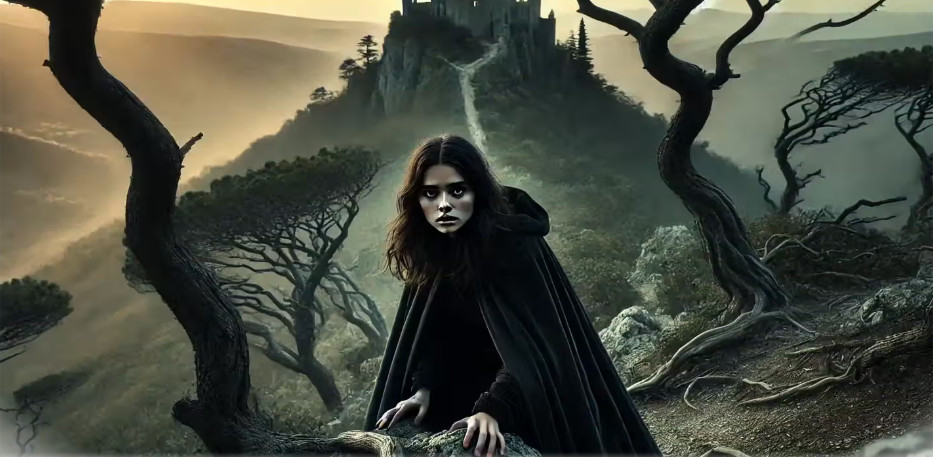
Mount Klek is one of the most interesting places in Croatian folklore. Located near Ogulin, it is famous for its unusual shape and old stories about witches.
According to local legends, witches gather on the mountain during stormy nights. They supposedly meet there to dance, perform magic, and celebrate.
When you look at the mountain’s rocky peaks, it is easy to understand why people created strange stories about the place. Some of the rocks look like human figures standing together.
The witches of Klek were believed to have special powers. They could fly, use magic, and move through the night without being seen.
These stories became an important part of the area’s folklore. Even today, Mount Klek is closely connected with witches and supernatural legends.
Zmaj
Exploring the Enigmatic Creatures of Slavic Folklore: Venturing into Uncharted Territories | by Costin Constantin | Medium
Dragons are another interesting part of Croatian folklore. Known as zmaj, these creatures appear in different stories across the country.
Some were described as enormous flying reptiles with wings, sharp claws, and the ability to breathe fire. Others were connected with caves, mountains, and hidden treasures.
Not every dragon was evil. Some stories describe them as protectors who guarded special places or valuable objects.
Others were dangerous creatures that brought storms and destruction wherever they went.
Dragons are also found in wider Slavic folklore, so Croatian stories share some similarities with legends from neighboring countries.
Still, local stories give these creatures their own place in Croatia’s supernatural world.
Kudlak
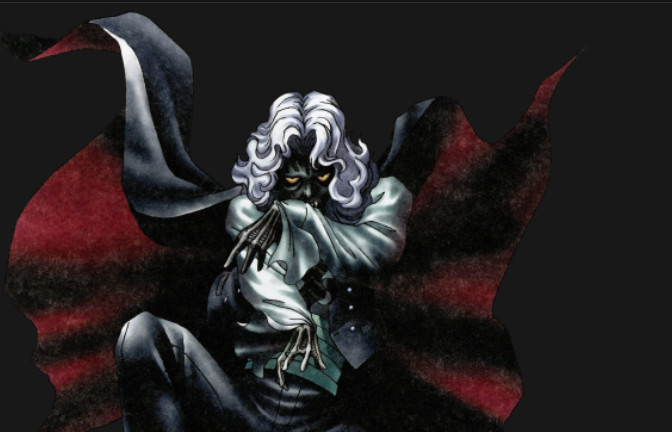
The kudlak is another frightening figure from Croatian folklore. It is usually connected with evil spirits, witchcraft, and the dead returning to disturb the living.
In some stories, a kudlak was a dead person who came back after burial. In others, it was a supernatural being that could change its appearance and take animal forms.
The exact description changes depending on the region. Some traditions describe the kudlak as a vampire-like creature, while others connect it with werewolves.
Kudlaks were also linked to the krsnik. These two supernatural figures were believed to fight each other, representing a struggle between harmful and protective forces.
The stories were especially frightening because the kudlak was not always a stranger. According to some beliefs, it could be someone who had once lived among the villagers.
A Few Final Words About Croatian Folklore
Croatian folklore has much more to offer than vampires and witches. It is filled with beautiful fairies, mysterious little creatures, powerful protectors, and strange beings that supposedly came out after dark.
Some creatures, like the vila, were connected with nature and beautiful landscapes. Others, such as the mòra and kudlak, were linked to fear, sleep, and death.
Istria has some of the most unusual stories, especially those about krsniks and štrige. Meanwhile, Mount Klek remains closely connected with witches and giants.
These old stories have survived because people kept sharing them from one generation to another. And even today, they offer a fascinating look into the strange and mysterious world of Croatian folklore.