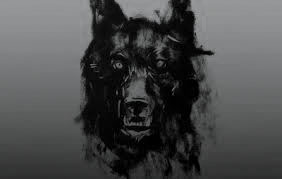
I have always been captivated by the parts of history that don’t make it into the mainstream textbooks.”You can read all day about Viking raids and longboats, but what I find myself craving are the whispers the spiritual, the weird, the deeply personal beliefs that guided people through the cold Nordic winters. Lately, I have fallen headfirst into a rabbit hole that I just cannot climb out of: the study of the fylgja.
If you are unfamiliar with the term, let’s start with the basics of the fylgja norse mythology concept. In Old Norse belief, the fylgja (which I spent way too long trying to pronounce correctly; I will get to the fylgja norse pronunciation in a moment) is not a god you worship or a monster you fight. It is something much closer to home. It is a guardian spirit, often taking the shape of an animal, that follows you from birth. It is almost like a spiritual doppelganger, an attendant spirit that reflects your true nature.
When I first started researching this, I kept stumbling over the word itself. The fylgja old norse etymology is fascinating because it translates roughly to “to accompany” or “to follow.” And that is precisely what it does. I still have to look up the fylgja norse pronunciation whenever I talk about it out loud (it’s roughly “fill-ya” if you want to know), but once you get the name down, the concept is captivating.
The Nature of the Spirit
The most common question I see on forums is regarding the fylgja meaning norse what does it actually represent? The answer is layered. Unlike a patron deity, the fylgja is a reflection of your soul or your family’s luck. For warriors, the fylgja often manifested as a wolf, a bear, or an eagle predators that represented strength and ferocity.
But here is where it gets intimate. For the farmer, it might be an ox. For the cunning, it might be a fox. The animal isn’t a choice; it is a statement of who you are at your core. Some sagas suggest that women with “fylgjur” (the plural) often had swans or other graceful birds, tying them to prophecy and the weaving of fate. In my research on fylgja norse paganism, I have found that interacting with this spirit was not like praying to Odin or Thor. It was about awareness. It was believed that if you dreamed of your fylgja, it was a warning. If it appeared in a wounded state, it meant you (or your lineage) were in danger. It is a stark, beautiful, and slightly terrifying way to view the connection between the physical and spiritual realms.
The Threads of Fate
What really hooks me about this myth is the connection to destiny. In the lore, the fylgja is heavily linked to the Norns the weavers of fate. It acts almost like a thread in the tapestry of your life. There is a reason why the fylgja norse myth persists so strongly in Icelandic sagas; it bridges the gap between your life and the afterlife.
I remember reading a saga where a man saw his fylgja standing beside a stranger. He assumed this meant the stranger was his enemy, but instead, it meant that the stranger was destined to die soon, and the spirit was simply there to guide him to the afterlife. It is a psychopomp, a guide, and a tracker all wrapped into one.
Pronunciation and “Modern” Confusion
Now, I have to address the elephant in the room regarding the search terms I see popping up. While researching, I kept seeing searches for “norske word for goblin” and “norske word for darkness“. In Modern Norwegian, these are Nisse/Troll and Mørke. They have absolutely nothing to do with the fylgja. The fylgja isn’t a mischievous creature or an elemental shadow; it’s a spiritual guardian. I think people often confuse the spirit world with the physical bestiary of Scandinavian folklore.
Likewise, if you are looking for the “norske word for raven“, that is Ravn. While ravens are deeply sacred in Norse mythology (shoutout to Huginn and Muninn), a raven appearing as a fylgja is a specific case. It isn’t just a bird; if you see a raven as your fylgja, it means your fate is tied to wisdom or battle. So, searching for the modern “Norske” word for raven just doesn’t cut it when you are dealing with the ancient spiritual concept of the Old Norse language.
Why This Matters Today
Why am I writing this? Because in our modern, sterile world, the idea of having a spirit animal that acts as a moral compass and a harbinger of fate is wildly attractive. Diving into fylgja norse paganism has given me a way to look at my own shortcomings and strengths.
If my fylgja were an animal, what would it be? Would it be something brave, or something cowardly? The concept forces introspection. It makes you question whether you are living in alignment with your true self. The ancients didn’t just believe in these spirits; they lived by them. They understood that your actions didn’t just affect you; they affected the entity that was bound to your lineage.
Whether you are looking for the fylgja meaning norse for a novel you are writing, or you are dipping your toes into the deep waters of paganism, this concept is a goldmine. It is a beautiful reminder that, according to the old ways, we are never truly alone. There is always a shadow, a guide, a guardian following just a step behind.